Football replica kit pricing - a short article
The Beautiful Game is not your typical visual novel. Someone once described it as Ted Lasso but with sex. We're not sure that's quite right, but we'll take the compliment!
What is true is that we sometimes include interesting real life issues in the story. One topic that won't feature in the game, but is nonetheless interesting is replica club kits, exclusivity, and pricing.
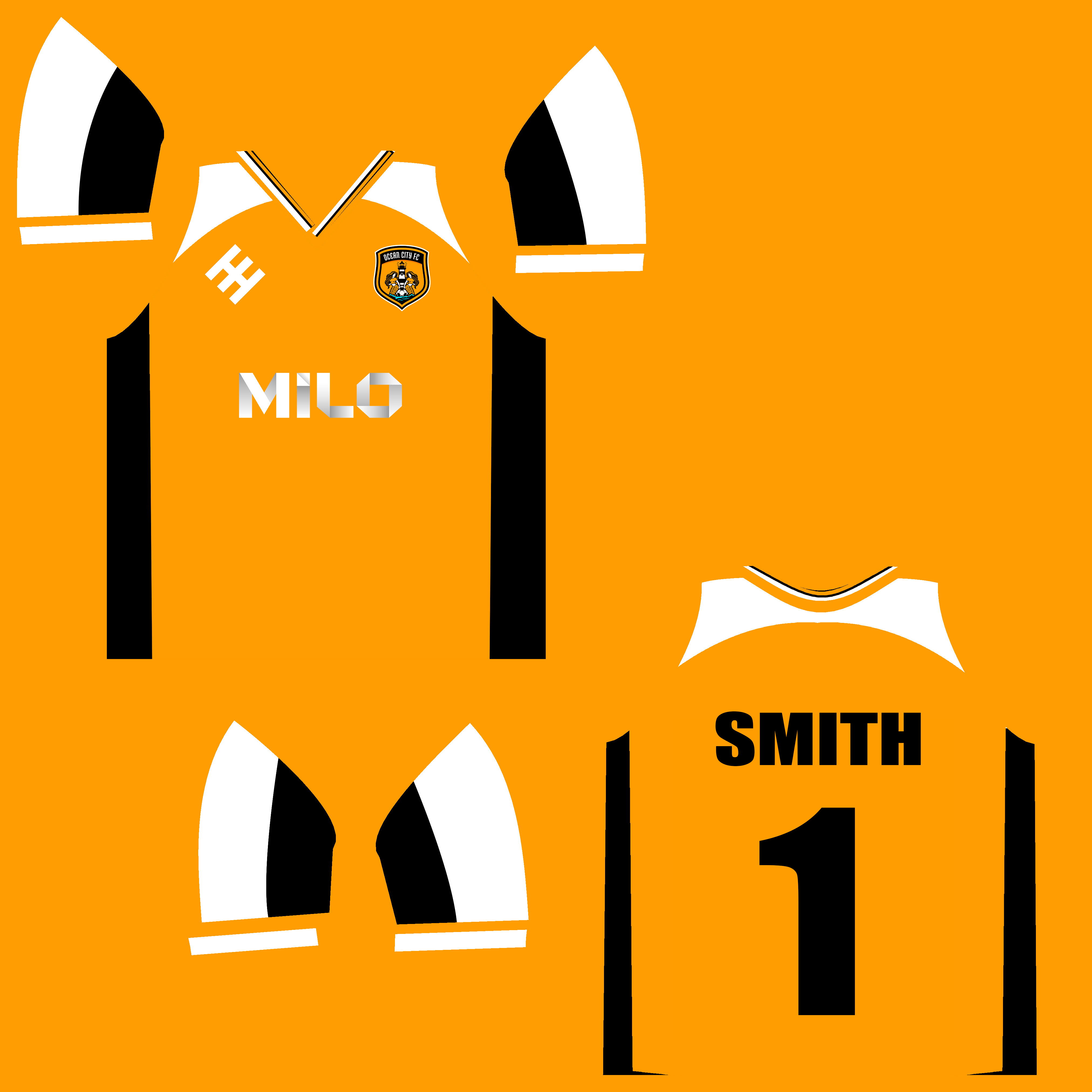
I'm sure it's not unique to football (aka soccer), but teams in the UK's Premier League are notorious for selling unbelievably expensive replica kit. Loyal fans keep buying the kits, even as their wallets suffer year-on-year. It's not a new issue, but back in 2024/25 a case went to court in the UK after a complaint by a retailer.
What was it all about? Newcastle United (sadly, the club I support) signed an exclusive supply agreement with a retailer, JD Sports. That meant fans could only buy Newcastle United kit from that retailer, the club's own store, and the brand's manufacturer. Sports Direct - a competitor to JD Sports - complained, arguing that Newcastle had abused a dominant position and that the agreement was anticompetitive, leading to higher replica kit prices. The case was settled before going to trial. But some interesting insights and evidence came to light. I'm going to dive into these below.
Fans only want their own club's kit, so clubs do not compete with each other when selling kit. This means that clubs operate in their own mini-market, basically a little monopoly, and if the price of kit rises most fans will still buy it.
Exclusive deals between club and retailer remove cheaper retailers from the picture. This means fewer discounts, less retail competition, and higher prices.
When cheaper retailers are excluded from selling kit, prices tend to follow the club's preferred pricing and not the competitive prices you would otherwise see in an open market.
Clubs and brands benefit from this setup because higher retail prices mean higher wholesale margins. This means they have little incentive to allow more retail competition.
In the past there have been fines for price fixing in football kit, but clearly these haven't deterred exclusionary agreements. Here, exclusivity seems to be an indirect way of controlling retail prices, something that competition authorities are normally against.
The big question is, when will competition authorities start to do something about this? Unless there is a good deterrent, clubs will keep doing this and exploiting their loyal fans.
The Beautiful Game contains the following kinks:
More from The Beautiful Game